When pests invade a Sacramento Valley property, reaching for an aerosol spray or a folk remedy offers a brief pause rather than a permanent solution. USA Pest Management approaches residential pest problems through structural exclusion, perimeter management, and biological life cycle disruption built over 40 years of local field work. Eradicating an infestation requires diagnosing the exact species, locating hidden harborage zones inside architectural voids, and physically sealing pathways into the building envelope. Relying on superficial interior treatments or store-bought repellents leaves breeding colonies intact while pests adapt to bypass surface chemicals.
Myth 1: Store-bought aerosol sprays eliminate cockroach infestations
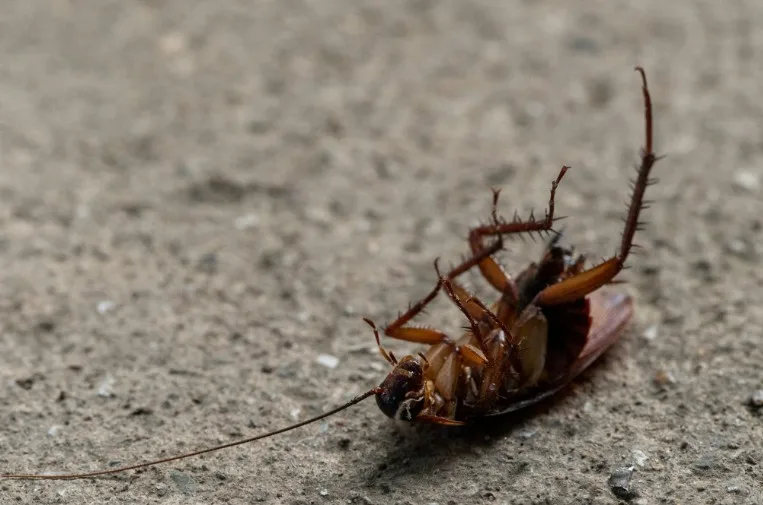
A common reaction to spotting a cockroach dart across the kitchen tile is buying an aerosol insecticide at the hardware store. Discharging a chemical fogger or spraying baseboards provides an immediate sense of accomplishment when a few dead insects appear. Unfortunately, that visible knock-down represents a tiny fraction of the actual population.
Visible Roaches on Surfaces (10%)
        │
        ▼  [Aerosol sprays only reach here]
─────────────────────────────────────────────
Hidden Breeding Population (90%)
  • Wall voids behind drywall
  • Cavities beneath dishwashers and subfloors
  • Compressor compartments behind refrigerators
  • Dark spaces around plumbing P-traps
Aerosol bug sprays function primarily as contact repellents and broad-spectrum neurotoxins. When you spray baseboards, the chemical residue scatters the remaining insects deeper into structural cavities. In multi-unit properties and single-family homes across the Sacramento region, this dispersal often pushes German cockroaches into adjoining rooms, wall voids, and subfloors. The insects detect the repellent barrier and relocate to undisturbed harborages near food and moisture lines.
Effective cockroach removal demands a systematic strategy that attacks the nest directly rather than treating surfaces:
- Moisture meters and UV flashlights locate harborage pockets inside wall voids and plumbing access panels.
- Species identification distinguishes domestic kitchen roaches from larger sewer and outdoor species.
- Professional gel baits utilize slow-acting active ingredients so foragers return to the nest before dying.
- Residual dust formulations placed into dry wall cavities treat harborage areas inaccessible to liquid sprays.
- Insect Growth Regulators (IGRs) halt reproduction by preventing nymphs from reaching reproductive maturity.
Cockroaches are cannibalistic and coprophagous, meaning they consume their dead nestmates and droppings. When a foraging roach feeds on a targeted, non-repellent gel bait, it returns to the harborage zone and dies. Other roaches feed on its body and waste, transferring the active ingredient throughout the colony.
Aerosols fail to eliminate the larval stage or address the egg cases known as oothecae. A single female German cockroach produces an egg capsule containing up to 40 nymphs. Most aerosol products cannot penetrate the tough protein shell of an ootheca. Unless an IGR is present to break the developmental cycle when those nymphs emerge, a fresh generation will replace the dead adults within weeks.

Myth 2: Treating the interior of the house solves the root problem
When ants invade a pantry or spiders spin webs across baseboards, homeowners assume the problem exists exclusively inside the living space. Treating interior rooms with surface sprays treats the symptom while ignoring where the pests originated.
In almost every scenario across Northern California, interior insect activity is the spillover from an established outdoor colony. Pavements, foundation perimeters, mulch beds, and overhanging tree branches harbor millions of foraging insects. When summer temperatures climb or winter rains saturate local soils, colonies migrate through foundation weep screeds, crawlspace vents, and weatherstrip gaps. Treating only interior floorboards leaves the exterior source population intact and constantly seeking fresh entry points.
Long-term management requires establishing layered barriers on the exterior before insects ever make contact with interior rooms. A complete perimeter protocol balances structure-based treatments with yard-level defense:
- Backpack sprayers apply specialized barriers directly across structure foundations and eaves.
- Power rigs pull hoses across the yard perimeter to treat expansive turf and fence lines.
- Granular materials provide moisture-resistant control across lawns during rainy winter seasons.
- Physical sweep poles knock down spider webs and active paper wasp nests from exterior eaves.
| Treatment Zone | Equipment Used | Primary Target | Expected Outcome |
|---|---|---|---|
| Structure base and foundation | Backpack sprayer | Ants, earwigs, spiders | Halts vertical movement up exterior walls |
| Eaves and rooflines | Telescoping poles and sprayers | Paper wasps, spiders | Removes harborage and eliminates nesting sites |
| Yard perimeter and fence lines | Power rig and hose | Lawn moths, fleas, roaches | Drops exterior insect counts before migration |
| Winter turf zones | Granular spreaders | Overwintering soil pests | Provides moisture-stable ground barrier |
Effective residential pest control services focus their heaviest effort outside the exterior walls. Applying a continuous perimeter barrier around the building footprint keeps foraging insects from finding structural seams. Treating eaves disrupts high-level pathways where spiders and stinging insects establish their territory.
Interior treatments should be secondary and targeted, focusing on localized baiting or pipe void dusting. Sealing exterior gaps stops pests before they ever step onto interior baseboards. For broader information on sealing access corridors, consult The Sacramento guide to rodent exclusion and sealing your home.
Myth 3: Strong smells and natural home remedies kill infestations
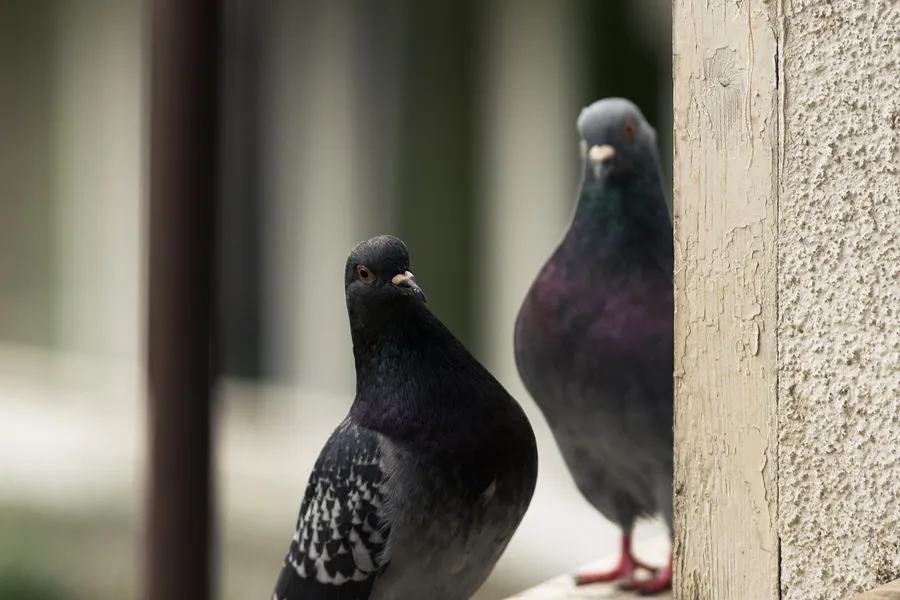
Online forums frequently recommend kitchen ingredients as miracle solutions for household pests. Homeowners are told that spraying diluted white vinegar, scattering bay leaves, diffusing peppermint oil, or leaving citrus peels in cabinets will eliminate an infestation.
Vinegar is an exceptional household cleaner that cuts grease and clears the chemical pheromone trails that ants leave behind on countertops. Essential oils like eucalyptus, cedarwood, citronella, and peppermint produce scents that insects avoid. However, an aversion to an odor is not mortality. Cockroaches, ants, and beetles hate the smell of citrus and concentrated oils, but these substances do not kill the insects or degrade their reproductive capacity.
When a strong repellent scent is introduced to an active infestation, insects do not leave the house entirely. They simply adapt their movement patterns:
- Insects bypass treated surfaces by traveling through wall studs and insulation.
- Roaches locate secondary water sources inside dishwasher trays and air conditioning drip pans.
- Foragers wait for the volatile aromatic compounds to evaporate before returning to feeding sites.
- Colonies split into satellite groups when volatile repellents are applied too close to nests.
Natural sprays lose their odor within a few days. The moment the scent fades, foraging insects return to the food and moisture resources they need to survive. If an area provides darkness, dampness, and organic residue, pests will endure or circumvent strong smells to reach it.
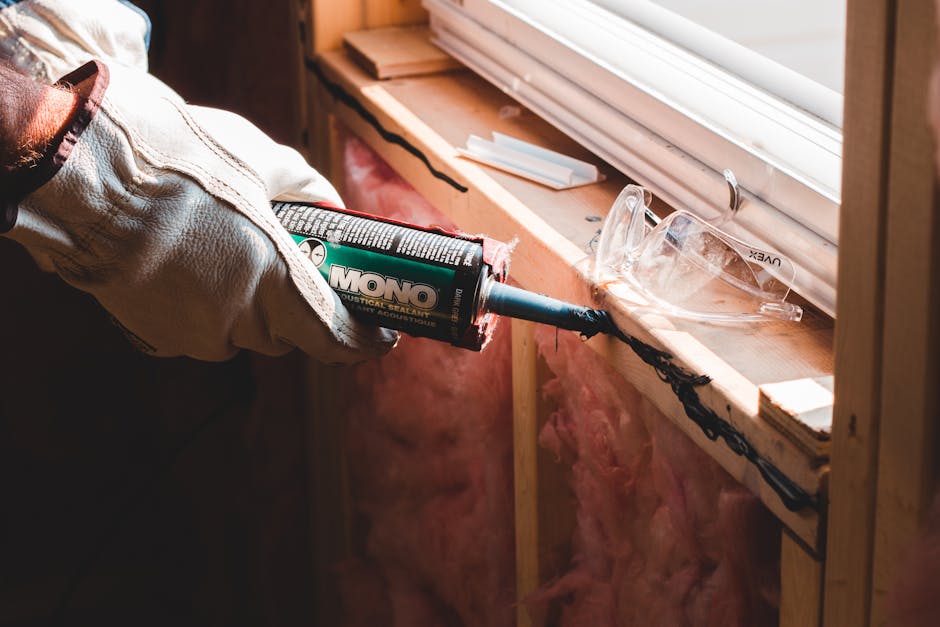
The only way to achieve permanent results without continuous chemical applications is professional structural exclusion. Insects enter through physical gaps around water supply pipes, under-sink drain penetrations, worn door sweeps, and broken foundation vents. Sealing those physical voids with silicone caulk, copper mesh, and polyurethane foam builds an impassable mechanical block. Pests cannot exploit routes that no longer exist, regardless of what kitchen scents are present.
Myth 4: Knocking down a visible wasp nest removes the hazard
When a paper wasp nest or mud dauber tube appears under the eaves, the instinct is to grab a long pole or a garden hose, knock the construction down, and consider the job finished. Many homeowners assume that once the physical architecture is destroyed, the displaced insects fly away to locate another property.
Knocking down an active nest without neutralizing the insects creates an immediate safety threat. Returning forager wasps—frequently out gathering food during the daylight hours—return to the exact coordinates of the missing nest. Disoriented and defensive, these returning wasps hover aggressively around the eave and attack nearby people or pets. Wasps demonstrate high site fidelity, meaning they will rebuild on the identical patch of fascia board or stucco if the site is not chemically cleaned and residual pheromones are left intact.
Stinging insects present distinct risks depending on the species involved:
- Paper wasps construct open, umbrella-shaped paper combs beneath eaves and deck railings.
- Yellowjackets build enclosed papery nests within wall voids, attic spaces, or abandoned subterranean rodent burrows.
- Mud daubers build tubular dirt structures across stucco and brick foundations.
- Bald-faced hornets create large, tear-drop shaped paper hives in trees, overhangs, and exterior peaks.
Yellowjackets nesting in an exterior wall void are dangerous to tackle with physical destruction alone. Poking or spraying into the exterior opening often forces the insects inward, causing them to chew through interior drywall and swarm into the living space.
Permanent stinging insect defense requires a sequence of precise actions. Technicians identify the specific species to determine whether the colony is arboreal, aerial, or subterranean. Active adults must be treated using targeted applications before removing the nest structure. Once the nest is removed, the contact surface requires scraping and treating to dissolve the residual orientation scents that attract future queens. Technicians then inspect attic dormers, gable vents, and fascia seams to seal structural access points, keeping future queens from overwintering inside the roofline.
The multi-phase method for lasting Sacramento pest defense
Lasting pest control requires abandoning short-term reactions and embracing physical maintenance grounded in local biology. Sacramento's hot summers and damp winters drive predictable insect and rodent movements. Addressing these seasonal pressures requires a defined inspection routine, targeted treatments, and permanent physical barriers.
The process begins with an audit of the structure. Technicians examine plumbing penetrations under sinks, the condition of crawlspace vent screens, the gap beneath garage doors, and the junction where siding meets the foundation. Locating high-moisture areas around air conditioning condensate lines and landscape irrigation heads isolates the conditions that draw pests toward the home.
Treatment should focus on minimal chemical footprint with maximum biological impact. Using non-repellent formulations, insect growth regulators, and species-specific gel baits inside harborage zones allows the pest population to distribute the treatment throughout its own colony. Once the active population collapses, structural exclusion seals the gaps around conduits, water pipes, and vents, converting the home into a locked envelope.
USA Pest Management applies more than 40 years of local field experience to protect properties across Sacramento, Citrus Heights, Orangevale, and Roseville. As a family and veteran-owned business, the company holds an EcoWise Certification, a DPR Qualified Applicator Certificate, and licensing for general pest management and wildlife trapping. Free property inspections and estimates are available by contacting the Citrus Heights office at 916-990-2167. Visit the USA Pest Management homepage to schedule an evaluation and replace temporary fixes with lasting structural protection.